
Customer Experience: Engine in Manufacturing
Customer Experience in Manufacturing describes how customers perceive their interactions with a manufacturing company across all touchpoints. This perception is not formed at a single touchpoint, but rather throughout the entire lifecycle: from the initial research phase through the purchasing process to maintenance, spare parts ordering, and technical support.
Why Digital Customer Solutions Determine Growth for Manufacturers
For manufacturing companies, the quality of customer experiences is increasingly becoming the decisive competitive factor. Not because the product has become less important, but because customers today expect digital services, self-service portals, and proactive communication to work just as seamlessly as the machine itself. B2B customers are transferring expectations from the B2C space to their business interactions: intuitive interfaces, transparent processes, and information available around the clock.
At the same time, complexity is increasing. Technical documentation in multiple languages, customer-specific pricing and assortments, integration into ERP and procurement systems. All of this must be mapped digitally. And it must work for different roles: decision-makers need different information than maintenance technicians, and buyers need different information than design engineers.
In this dossier, we share what we at Unic have learned about digital customer solutions through our work with manufacturing companies. We share experiences from concrete projects, where things were difficult and what solutions emerged.

Our Expert Articles on Digital Customer Solutions in Manufacturing
Our experts share knowledge on customer experience in manufacturing: in specialist articles, guides, and practical contributions. Each article examines a specific aspect, from strategic foundations and organisational challenges to concrete digital solutions. The articles are based on experiences from our projects with manufacturing companies and are continuously updated.


What We Bring from Manufacturing Projects
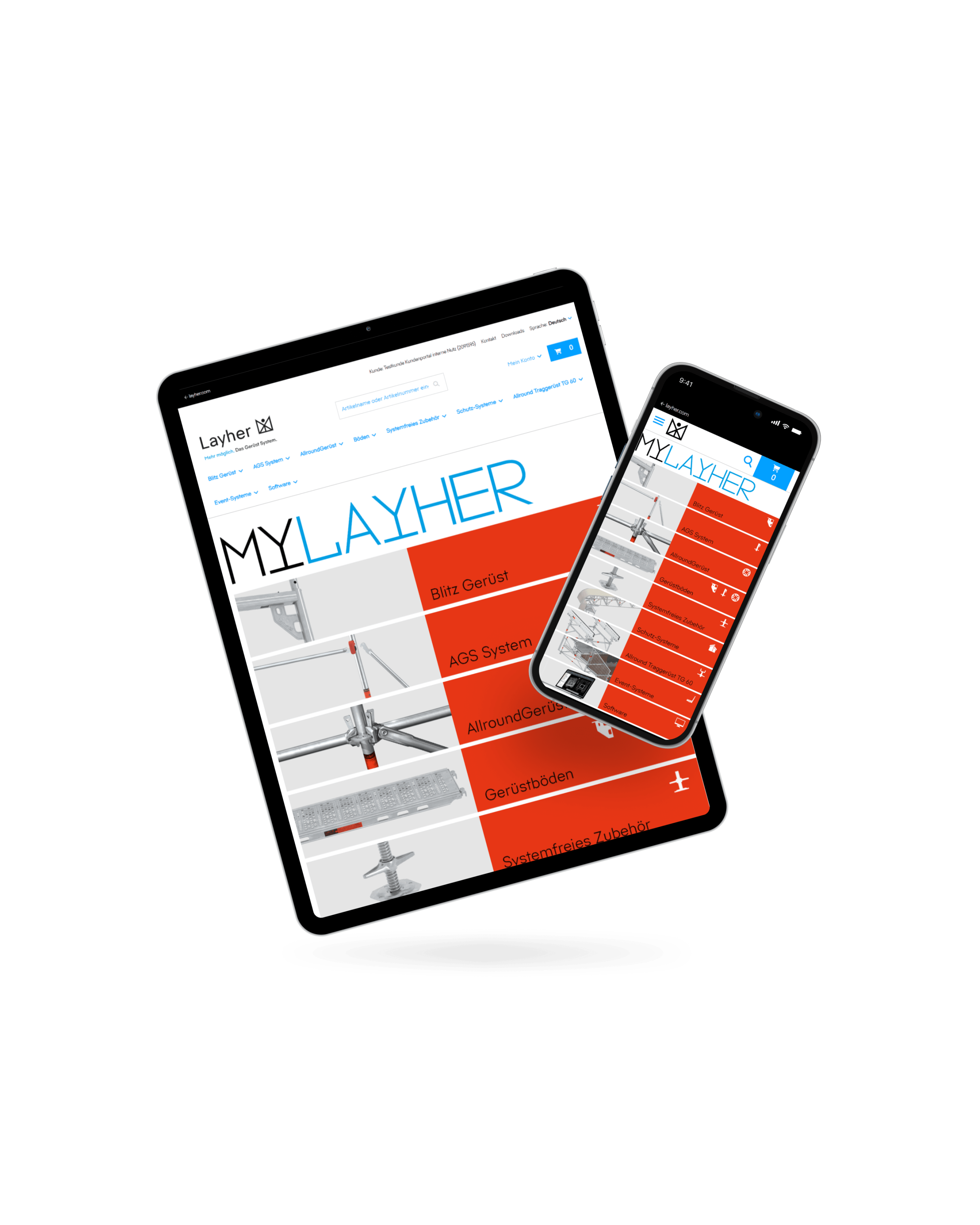
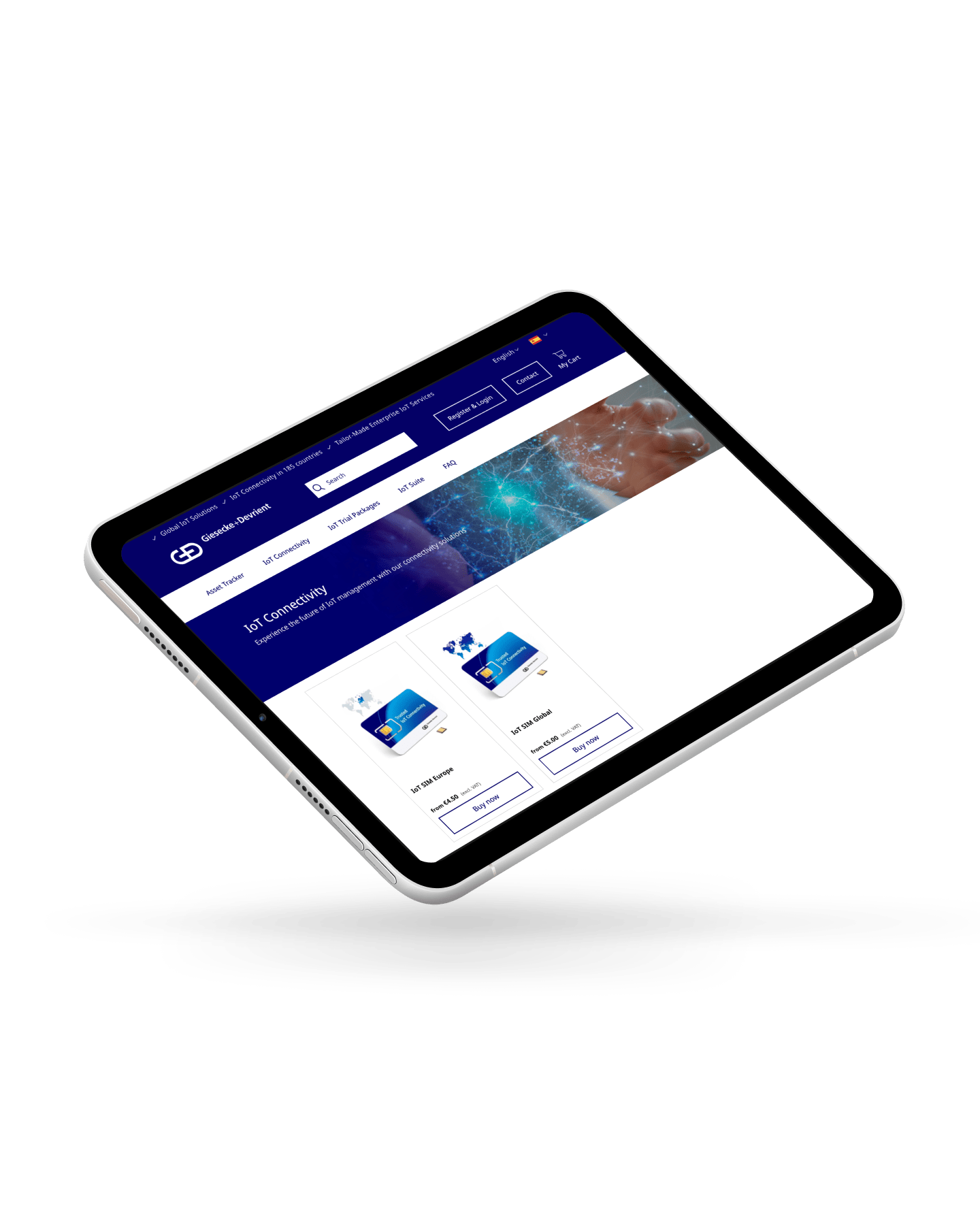
At Unic, we support manufacturing companies in the conception and implementation of digital customer solutions – from strategic analysis through to go-live and beyond. Our work encompasses customer portals, B2B e-commerce platforms, content systems, and integration into existing ERP, PIM, and CRM landscapes.
What sets our projects apart: we never start with the technology, but with the customer journeys and the people who go through them. In every project, we conduct UX research with end customers, analyse buying centres, and map system landscapes before designing solutions. This approach ensures that our solutions not only work technically, but are actually used.
The results from our projects speak for themselves: significant reduction in sales enquiries through self-service, measurable revenue increases in the spare parts business, and NPS improvements that demonstrate how better digital touchpoints strengthen the entire customer relationship.





Systematically Optimising Customer Interaction
We support you in analysing customer journeys, prioritising use cases, and developing a roadmap for the further development of your digital customer solutions.
Contact for your Digital Solution
Book an appointmentAre you keen to talk about your next project? We will be happy exchange ideas with you.




Contact for your Digital Solution with Unic
Book an appointmentAre you keen too discuss your digital tasks with us? We would be happy to exchange ideas with you.


Frequently Asked Questions on Customer Experience in Manufacturing
What is customer experience in manufacturing?
Customer experience is the subjective perception of a customer that arises from all interactions with a manufacturing company – across products, services, and digital and human touchpoints. It encompasses all phases from the first point of contact through the purchasing process to use, maintenance, and potential reprocurement.
Can customer experience be designed?
Customer experience itself cannot be directly designed, as it is a subjective perception of the customer. What can be designed are touchpoints, processes, content, and services that enable and influence customer experiences. The focus lies on the systematic improvement of these elements along relevant customer journeys.
What particularly influences customer experiences in manufacturing?
Particularly impactful are digital touchpoints such as customer portals, service processes, e-commerce solutions, and IIoT-based services relating to machinery and the shopfloor. The consistency between different channels, the availability of relevant information, and the quality of personal interactions with sales and service teams also significantly influence perception.
Why are touchpoints so crucial to the customer experience?
Touchpoints are the places where interaction between the customer and the company occurs. Their quality, consistency, and relevance determine how customers perceive the working relationship. Every touchpoint influences the overall experience that emerges – positively or negatively.
What role do digital customer solutions play?
Digital customer solutions consolidate touchpoints and make complex products and services usable. They are central enablers of positive customer experiences because they enable self-service, create transparency, accelerate processes, and allow for personalised interactions.
How are buying centres and customer experiences connected?
Since multiple roles are typically involved in industrial purchasing processes, customer experiences arise on a role-specific basis. A decision-maker experiences the interaction differently from an end user or buyer. Touchpoints must therefore take into account different information and usage contexts in order to be relevant to all parties involved.
How do servitisation and IIoT change customer experiences?
They enable proactive, data-driven services. Customers experience greater transparency regarding the condition of their systems and machinery, reliability through predictive maintenance, and better planning of their operations – provided these services are made accessible via suitable touchpoints.
Why do many CX initiatives fail?
Many initiatives fail because attempts are made to design customer experience directly, rather than systematically improving touchpoints, value streams, and responsibilities. Further common reasons include organisational silos, insufficient resources, and a lack of measurability of success.
What distinguishes successful CX transformation in manufacturing?
Successful transformations are characterised by clear prioritisation, consistent customer orientation, interdisciplinary collaboration, and an iterative approach. They continuously deliver business value, measure progress against concrete KPIs, and empower the organisation to develop independently.
How do I measure the success of digital customer solution initiatives?
Success is measured at multiple levels: customer satisfaction (e.g. Net Promoter Score, Customer Satisfaction Score), behaviour (e.g. usage rates of digital services, self-service rate), business outcomes (e.g. revenue development, service margin, customer retention), and operational metrics (e.g. process cycle times, support requests, error rates).